Loveland's Restaurant Scene Is Splitting in Two, and This Fall You Get Both Halves
Drive through downtown Loveland this week and you will pass a beautiful, empty brick building at 225 East Fourth Street, directly across from the Rialto Theater. It has sat that way, mostly, since 2006. Now drive east toward McWhinney, past Centerra, and you will find a steakhouse doing a hundred-dollar tasting menu next door to a private club where members reserve time behind the wheel of exotic cars. Both of these things are happening in the same town, in the same year, and neither one explains the other on its own.
That is the actual story of Loveland's food scene right now. It is not one boom. It is two, running on separate tracks, and if you live here you are close enough to both that you should know what each one means for how you eat this fall.
The Fourth Street building is 133 years old, 6,720 square feet, and has cycled through tenants over the decades, including a Mr. Neat's formal wear shop. For most of the last twenty years it sat vacant. Sean Hawkins, who runs the Loveland Downtown District, has said the city once considered a different future for the space entirely.
"intended to tear it down and make it a pass-through into parking areas"
That did not happen. Instead, the Fort Collins-based Rio Grande Mexican Restaurant chain confirmed in April that it will open its sixth location, branded "The Rio," in that exact building, with a target of early 2027. The founders have been eyeing Loveland for years. One of the ownership group's partners reportedly drives past the site routinely on his commute to Fort Collins and got a call from the building's real estate agent when the timing finally lined up.
This is not a chain parachuting into an empty lot on the edge of town. It is a 40-year-old Northern Colorado institution choosing to reactivate a building the city almost wrote off, in the part of downtown that already has the Rialto and the rest of the historic block around it. That distinction matters if you are trying to read what downtown Loveland is actually doing right now: it is filling in, not expanding out.
Head toward McWhinney Boulevard, out past Centerra, and the story changes completely. Driven Steakhouse opened there in June 2025, next door to Endless Garage, a 25,000-square-foot facility that combines a members-only supercar club with the restaurant itself. Executive chef Thomas Newsted trained at the Culinary Institute of America and has spent 23 years cooking in Colorado kitchens. The menu runs toward in-house dry-aged wagyu, a tomahawk built for the table, and a bourbon list organized around house barrel picks.
Nothing about that concept is a downtown infill play. It is a destination bet on a corridor that did not exist in its current form a decade ago, built around new construction and highway visibility rather than a historic storefront. Raising Cane's followed a similar logic when it opened its first Loveland location in March 2026 near the Loveland Sports Park, choosing a newer commercial pocket over Old Town.
So when people say Loveland is "getting more restaurants," they are actually describing two different real estate decisions happening at once. Downtown is where operators bet on character and foot traffic tied to fixed landmarks like the Rialto. McWhinney is where operators bet on visibility and volume tied to the highway. Both bets are paying off, which is why you are seeing activity in both places rather than one crowding out the other.
If you already live in Loveland, the practical version of this is simple. Downtown has quietly extended its own hours rather than just adding new addresses. Taste Local Café on Cleveland Avenue, known for its breakfast and lunch service, launched an after-dark version of itself called Taste at Night, open Thursday through Saturday evenings with small plates and cocktails. It did not replace the daytime café. It gave the same kitchen a second identity once the sun goes down, which is a different kind of growth than a brand-new building going up.
That is the pattern worth noticing: downtown's expansion has come from existing operators stretching into new hours and long-vacant buildings finally finding tenants, while the newest big swings, the steakhouse, the fast-food chains, have landed on the newer side of town where there was room to build from scratch. Neither pattern is better. They just serve different nights out, and now you have both within a short drive.
None of this touches the piece of the calendar that has stayed exactly where it belongs. The Loveland Farmers Market runs Sunday mornings at Fairgrounds Park through the end of September, and it has been recognized as one of the better farmers markets in the state, with more than 40 vendors on a typical week.
On September 13, that same stretch of Fairgrounds Park hosts the Honey Festival, with honey vendors, live music, and a new addition this year called the Honey Bee Hustle, a one-mile loop challenge for adults and a shorter version for kids under ten. Parking for the festival sits off South Railroad Avenue, reachable from First Street just west of Highway 287.
A few things worth putting on the calendar before the season turns:
That is the constant underneath all the restaurant news. Whatever is happening downtown or out toward McWhinney, Fairgrounds Park on a Sunday morning is still where a lot of Loveland actually gathers, and this fall gives you one more reason to show up before the market closes for the year.
Loveland does not need a single verdict on whether its food scene is thriving. It needs an honest read on where the growth is coming from, because downtown reactivation and highway-corridor development are different processes with different staying power. Right now both are working, which is a good problem to have if you already call this town home.
If you are watching how a neighborhood's day-to-day changes end up shaping its housing market, or you are curious what a stretch like McWhinney or a reactivated downtown block means for property values nearby, John Weiss has spent 20-plus years tracking exactly these shifts across Loveland and the rest of Northern Colorado. Let's Connect when you're ready to talk through what any of it means for you.

Detailed evaluation of high-capital systems: HVAC, roof age, and foundation integrity.
We understand the school boundaries, the water rights, and the soil conditions that impact long-term value.
In the current 2026 climate, even a 1% error in pricing can result in thousands of dollars of lost equity.
Buying a home in Fort Collins, Loveland, or Windsor is more than just a real estate transaction.
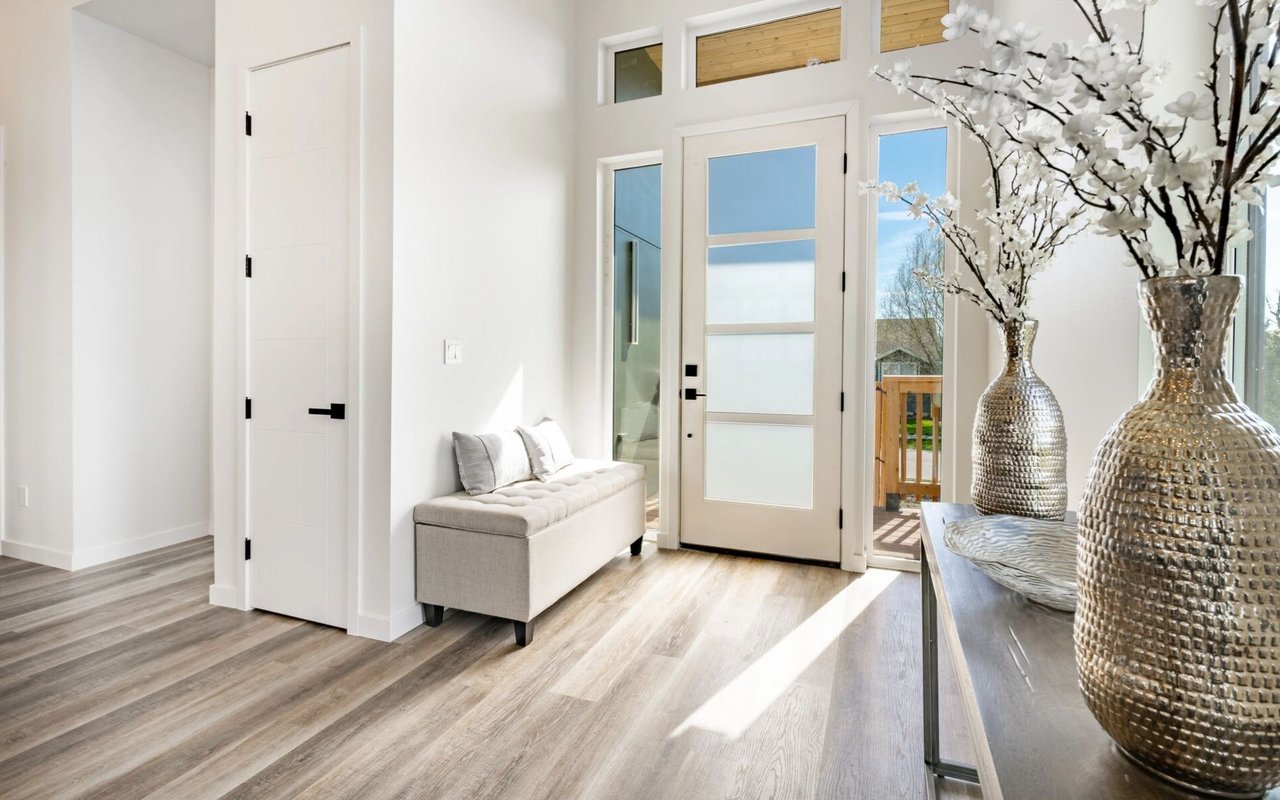
Execution of high-end digital marketing including 3D modeling and social saturation.

Professional Media Suite: We use high-end architectural photography and virtual tours to capture the Colorado light perfectly.
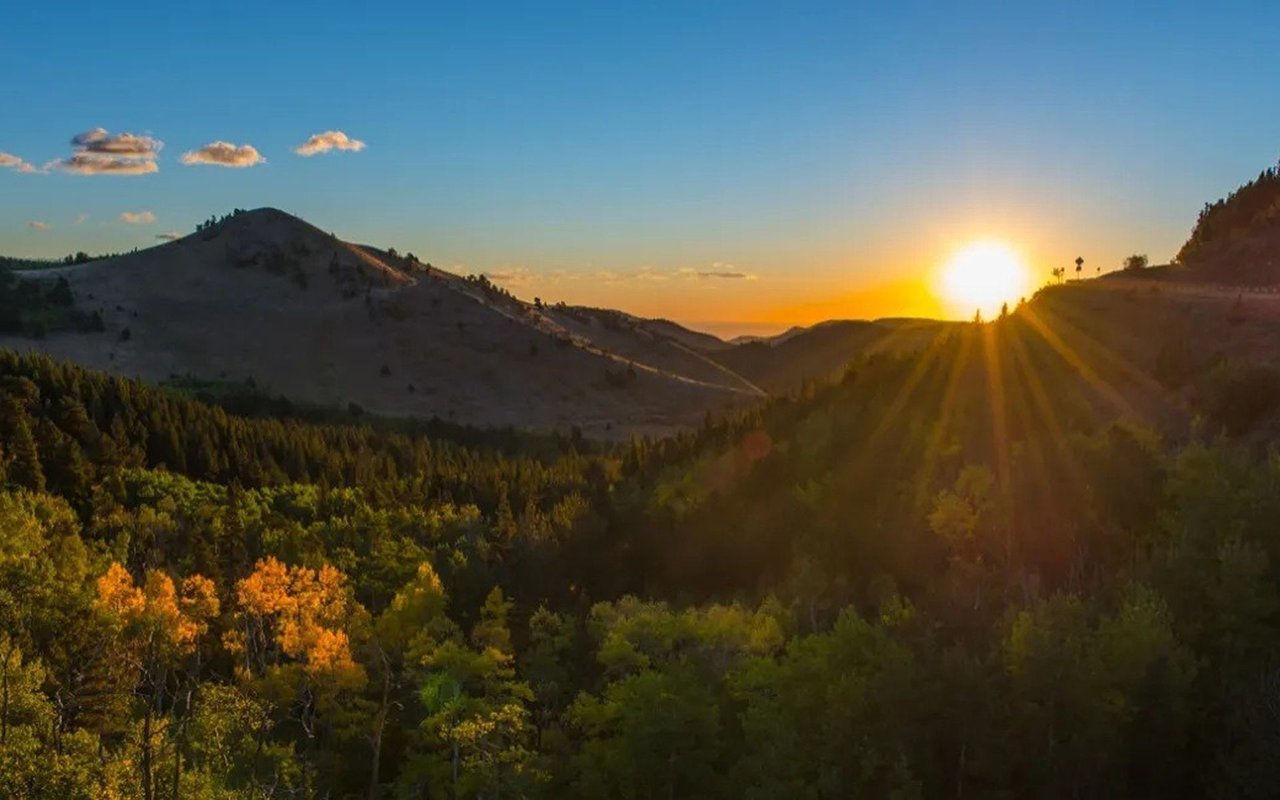
Filtering listings based on Poudre School District data and commute-time analytics.

Assessment of major mechanical systems and roof age to prevent inspection surprises.
Choosing the right real estate professional makes all the difference. John Weiss combines local knowledge, strategic insight, and attentive service to create an exceptional experience tailored to your needs and goals.
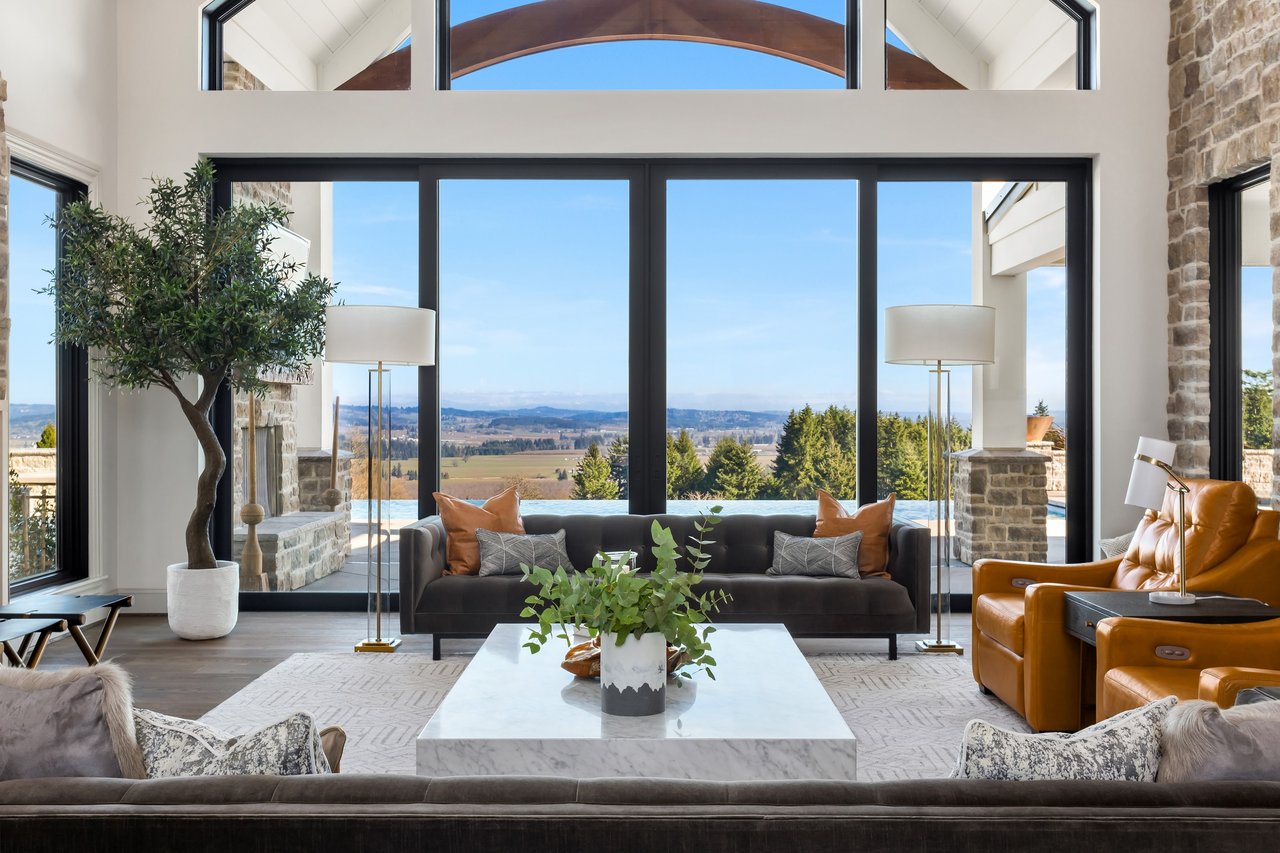
JOHN WEISS
RE/MAX ALLIANCE
4703-A Boardwalk Dr Fort Collins, CO 80525